⚠️ This piece references and links to articles that discuss pregnancy and harm. This is an opinion post that discusses violence from the outset.
When the media turns our attention to one country at war, we might inadvertently turn our backs on what’s happening elsewhere, and fail to join the dots, both in terms of cause and consequence. But these are not “isolated incidents”.
There isn’t a “hidden toll” anymore either – the impact is right in front of every decision maker and the people disproportionately affected by it: women and children.
For those that want peace, especially those who approach this from a feminist lens (as this website does), it feels important to communicate the cost of conflict while asking the question why women and children are continuously being forgotten, violated and even killed wherever they live, with or without war.
We already know that sexual violence increases in conflict zones. Cases of conflict-related sexual violence verified by the United Nations in 2025 rose sharply from 2024, “marked by extreme brutality”, which “overwhelmingly targeted women and girls”.
The way conflict particularly harms pregnancies, is also now well established. Nearly two-thirds of all maternal deaths worldwide occur in countries marked by conflict or fragility.
Climate change also disproportionally affects women and girls due to the challenges of displacement and poor healthcare, for example, on things like unplanned pregnancy and the violence of forced marriage. According to Ali Daoudi, policy lead at Oxfam Yemen, pregnant women should be considered “among those hardest hit of the combined impacts of the ongoing conflict, record extreme heat, and chronic power shortages facing the country right now”.
Yet, only half of national climate plans mention girls’ or women’s health, and despite the escalating impact of climate shocks on the health systems and services girls rely on, just 0.5% of multilateral climate finance supports health.
Closer to home
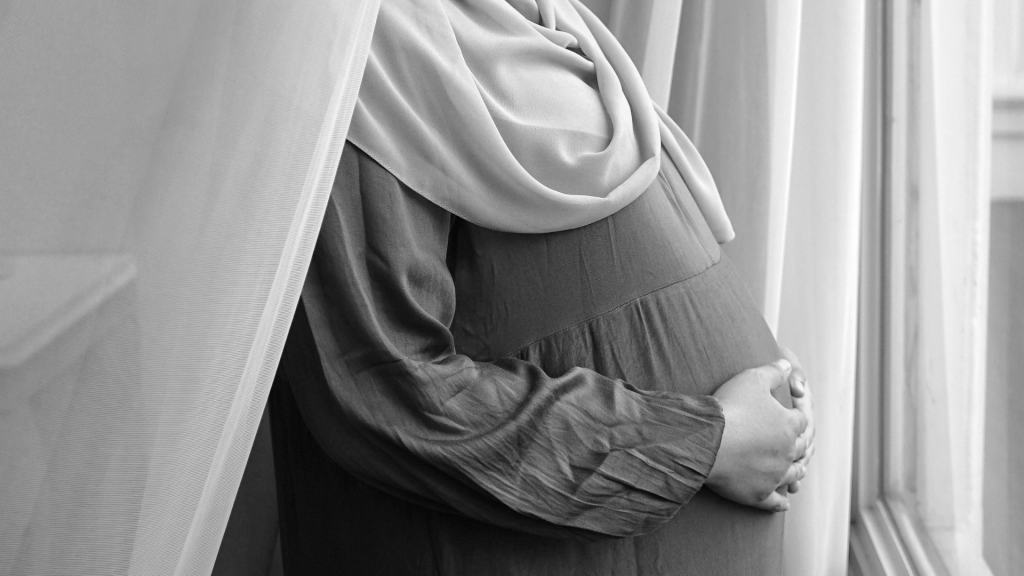
Failing access to appropriate maternal care isn’t just unique to countries in conflict zones though. The UK is also facing challenges.
A 2022 study found that the UK had the second highest maternal death rate of eight European countries, with UK mothers being three times more likely to die around the time of pregnancy compared with those in Norway.
This is an example of the peace gap: the assertions that decision makers care about their communities and their “safety”, weighed against the reality of the harm being done to women and girls. This includes the structural violence, that Galtung spoke about, of systems and policies that lead to harm, or the cultural violence that occurs through medical misogyny.
Interrogating the cause
Let’s be clear: the cause of violence is not poverty. It’s not climate change. It’s not even the unsafety present due to conflict. These are outcomes.
This website assets the cause is the mindset of misogyny and harmful ideologies like militarism and male supremacy. Because if women and children really mattered, none of those things would be happening. Especially when we know violence is a choice.
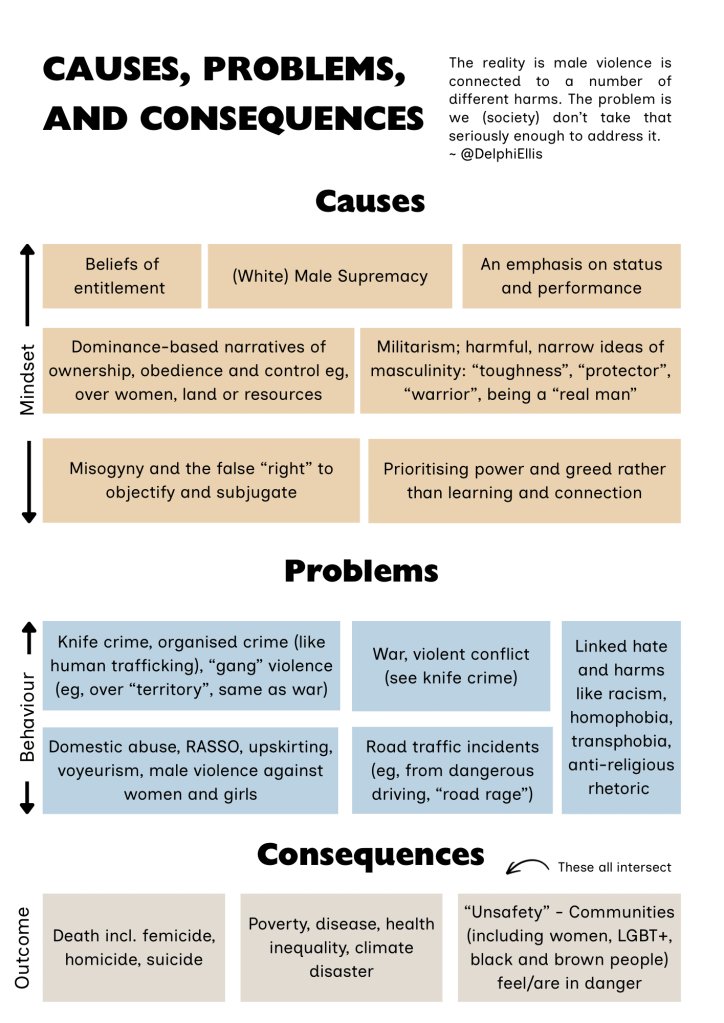
Until or unless see all these realities and what’s driving it, violence will continue. If global leaders care about women, then it has to be all women, including those the headlines will rarely tell you about.
© The Peace Gap 2026 – All rights reserved. This is an opinion post. For full terms about accessing this content, click here or to find out more about this website click here


You must be logged in to post a comment.